The Software Industry Feels Different Right Now — And Many Developers Feel It Too
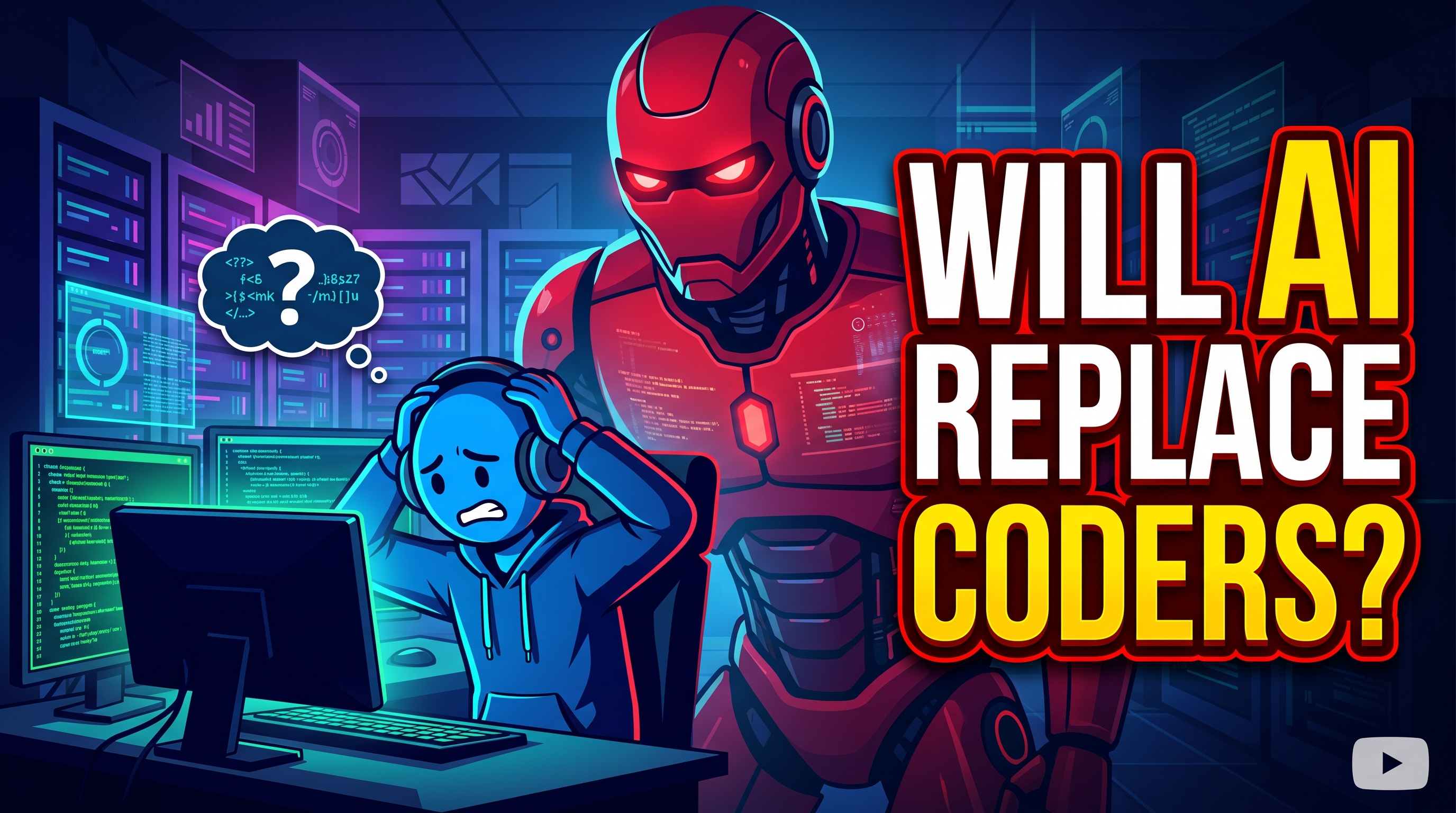
The tech world is changing faster than ever. Every week there’s a new AI model, a new productivity tool, or another bold prediction claiming software engineers will disappear within a few years. For many developers, it feels overwhelming.
And honestly, that feeling makes sense.
A lot of us entered software development because we enjoyed building things, solving problems, and learning how systems work. But lately, the conversation around programming has shifted. Instead of focusing on craftsmanship, architecture, or deep understanding, the industry seems obsessed with one thing: producing more code faster.
Somewhere along the way, speed became the main metric.
Not long ago, developers used to joke about measuring productivity by counting lines of code. Most engineers understood that more code does not automatically mean better software. In fact, experienced developers usually aim to write simpler and cleaner solutions.
But today, the pressure is different.
The rise of AI coding tools created a culture where “10x productivity” is treated as the ultimate goal. Entire ecosystems are now built around maximizing output at extreme speed. Companies, influencers, and startup founders constantly promote the idea that generating huge amounts of code quickly is the future of software development.
The problem is that speed without quality has consequences.
We’re already seeing examples of rushed AI-assisted systems causing real problems — outages, broken deployments, unstable applications, and production mistakes. In many places, the mentality has shifted from “move fast and break things” to simply “break things faster.”
At the same time, developers are hearing increasingly dramatic claims online:
- “You won’t need to code anymore.”
- “AI will replace engineers.”
- “Programming is becoming obsolete.”
Naturally, this creates anxiety.
The Confusing Reality of AI and Software Jobs
One of the hardest parts about the current AI wave is the amount of conflicting information.
On one side, you hear predictions that software engineering jobs are disappearing. Then, on the other side, large companies continue hiring thousands of developers.
Some reports say AI will dramatically reduce engineering teams. Others argue AI will simply become another tool developers use every day.
And honestly, nobody truly knows what the industry will look like in the next few years.
That uncertainty is what makes many developers nervous.
Even people deeply involved in AI seem unsure about where everything is heading. Technology is evolving quickly, but the future is still unpredictable.
This uncertainty creates a constant cycle of emotions:
- one article makes you hopeful,
- another makes you anxious,
- then a new AI demo appears and everyone panics again.
It becomes exhausting.
Technical Content Is Changing Too
This shift is not only affecting software jobs — it’s also changing the kind of content people consume online.
Many technical creators have noticed that deep educational programming content no longer performs as strongly as general AI commentary or tech news.
A detailed tutorial that takes months to produce may receive far less attention than a simple discussion about AI replacing developers.
That doesn’t mean people stopped learning programming. In fact, coding education platforms are still growing and attracting huge audiences. The interest in software development still exists.
The difference is attention.
Right now, AI dominates the conversation. It attracts clicks, headlines, and endless speculation.
As a result, many creators slowly move away from highly technical content toward broader discussions because that’s what audiences engage with most.
The Most Important Thing Developers Should Remember
Despite all the noise, one important fact remains true:
No one actually knows where this is all going.
That’s why constantly consuming AI news can become mentally unhealthy. Every day brings another prediction, another argument, another viral post claiming the industry is ending.
But hype cycles are not new in tech.
The industry has gone through similar waves before:
- cryptocurrency hype,
- metaverse hype,
- startup bubbles,
- “learn to code” booms,
- outsourcing fears,
- automation fears.
Each time, people predicted massive disruption. Some changes lasted. Others faded away.
AI will absolutely change software development. There’s no doubt about that. But change does not automatically mean the complete destruction of programming careers.
Developers Should Slow Down a Little
One of the best things developers can do right now is reduce the noise.
Staying informed is important, but constantly refreshing AI news feeds and arguing online about the future of programming helps nobody.
The internet rewards extreme opinions. Calm and balanced discussions rarely go viral.
That’s why it’s easy to feel like the world is collapsing even when reality is far more complicated.
Sometimes the healthiest approach is simply stepping back and focusing on your own growth instead of trying to predict the future every week.
Keep Your Coding Skills Strong
AI tools are useful. Many developers already use them daily.
But there’s also a hidden danger.
When developers rely too heavily on generated code, they slowly stop thinking deeply about the systems they build. Over time, reasoning and debugging skills can weaken.
It becomes easy to use AI even for very small tasks instead of solving problems independently.
That’s risky.
The developers who will likely succeed in the future are the ones who can work both with AI tools and without them. Understanding how software actually works will still matter.
Coding is more than typing syntax. It involves:
- problem solving,
- debugging,
- system design,
- critical thinking,
- communication,
- understanding trade-offs.
Those skills remain valuable regardless of how advanced AI becomes.
And beyond career value, many people genuinely enjoy programming. Building software is still fun. Curiosity still matters.
There’s no reason to lose that passion because of internet panic.
Final Thoughts
The software industry is going through a strange moment right now. AI is changing workflows, company priorities, and online discussions at an incredible speed.
That uncertainty can feel stressful.
But it’s important not to confuse hype with reality.
Technology will continue evolving. Tools will improve. Some jobs will change. New opportunities will appear. That has always been true in software development.
Instead of panicking about every prediction online, developers should focus on what they can control:
- continue learning,
- keep building,
- improve problem-solving skills,
- adapt to new tools,
- and most importantly, avoid losing their sanity in the middle of the noise.
The future of software engineering is still being written.